
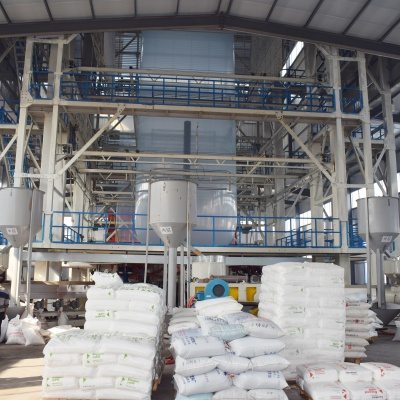
Technology
Co-Extrusion Explained: Why 3, 4, and 5-Layer Blown Film Lines Outperform Single-Layer Machinery
Skin-core separation, lower resin costs, and superior dart impact: why multi-layer co-extrusion technology has replaced mono-layer lines in modern film production.
In the modern plastics processing industry, single-layer (mono-layer) extrusion has largely been superseded by multi-layer co-extrusion across agricultural, industrial, and containment packaging applications. While single-layer machinery remains simple to operate, a multi-layer [blown film machine](https://xinfumachine.com/products) unlocks **cost reduction, mechanical down-gauging, and barrier functionality** that no single-screw system can match.
Whether you are producing heavy-duty [geomembrane machines](https://xinfumachine.com/products/geomembrane-machine) liners, agricultural covers, or specialized packaging films, here is the technical breakdown of how 3-layer, 4-layer, and 5-layer co-extrusion platforms create substantial commercial advantages.
<h2>1. The Skin-Core Philosophy: Up to 30% Resin Cost Reduction</h2> The most compelling economic driver for multi-layer co-extrusion is the ability to place different resin grades precisely where they deliver the most value:
- **Outer and Inner Skin Layers (A & C):** Formulate with 100% prime virgin polymers, high-performance slip, anti-block, and weatherable UV stabilizers. Because skins represent only 20% to 35% of total film thickness, additive loading costs are concentrated strictly where environmental exposure occurs. - **Central Core Layer (B):** Positioned safely between the impermeable virgin skins, the core can run lower-cost regrind, factory scrap, calcium carbonate (CaCO3) mineral fillers, or post-consumer recycled (PCR) resin. On lines running [3-layer geomembrane blowing machines](https://xinfumachine.com/products/geomembrane-machine/3-layer-geomembrane-blowing-machine), this structure slashes raw material costs per metric ton while keeping liner surface aesthetics and weldability completely uncompromised.
<h2>2. Mechanical Down-Gauging: Thinner Films with Superior Dart Impact</h2> Single-layer films suffer from structural micro-flaws propagating directly through the web thickness. In contrast, multi-layer co-extrusion introduces interfacial molecular boundaries between adjacent molten layers.
When an external impact strikes a co-extruded film, propagating tears arrest at the layer interfaces. By pairing tough metallocene LLDPE (mLLDPE) in the core with high-tensile HDPE in the outer skins, film converters routinely achieve **15% to 25% down-gauging (thickness reduction)** while maintaining or exceeding customer puncture and tensile specifications. This yields more linear meters of saleable roll stock from every ton of resin processed.
<h2>3. 4-Layer Co-Extrusion: Specialized Structured & Textured Geomembrane</h2> While 3-layer systems are industry standard for smooth liners, specialized civil engineering requires high-friction surfaces for steep slope stability in municipal landfills and mining heaps.
A dedicated [4-layer co-extrusion geomembrane machine](https://xinfumachine.com/products/geomembrane-machine/4-layer-geomembrane-blowing-machine) utilizes four independent extruders connected to a cylindrical die with nitrogen gas injection or chemical foaming texturing feeds. This allows operators to run a dense impermeable base while simultaneously co-extruding a single-sided or double-sided structured rough surface with smooth weld margins, raising the geotechnical interface friction angle from 11° to over 28° without mechanical secondary grinding.
<h2>4. 5-Layer Engineering: Unlocking Multi-Year PO Agricultural Films</h2> Wide-width greenhouse films require conflicting functional properties: high solar light transmission, long-term thermicity, internal anti-dripping, and external dust resistance. In a mono-layer or standard 3-layer line, migratory additives interact and degrade prematurely.
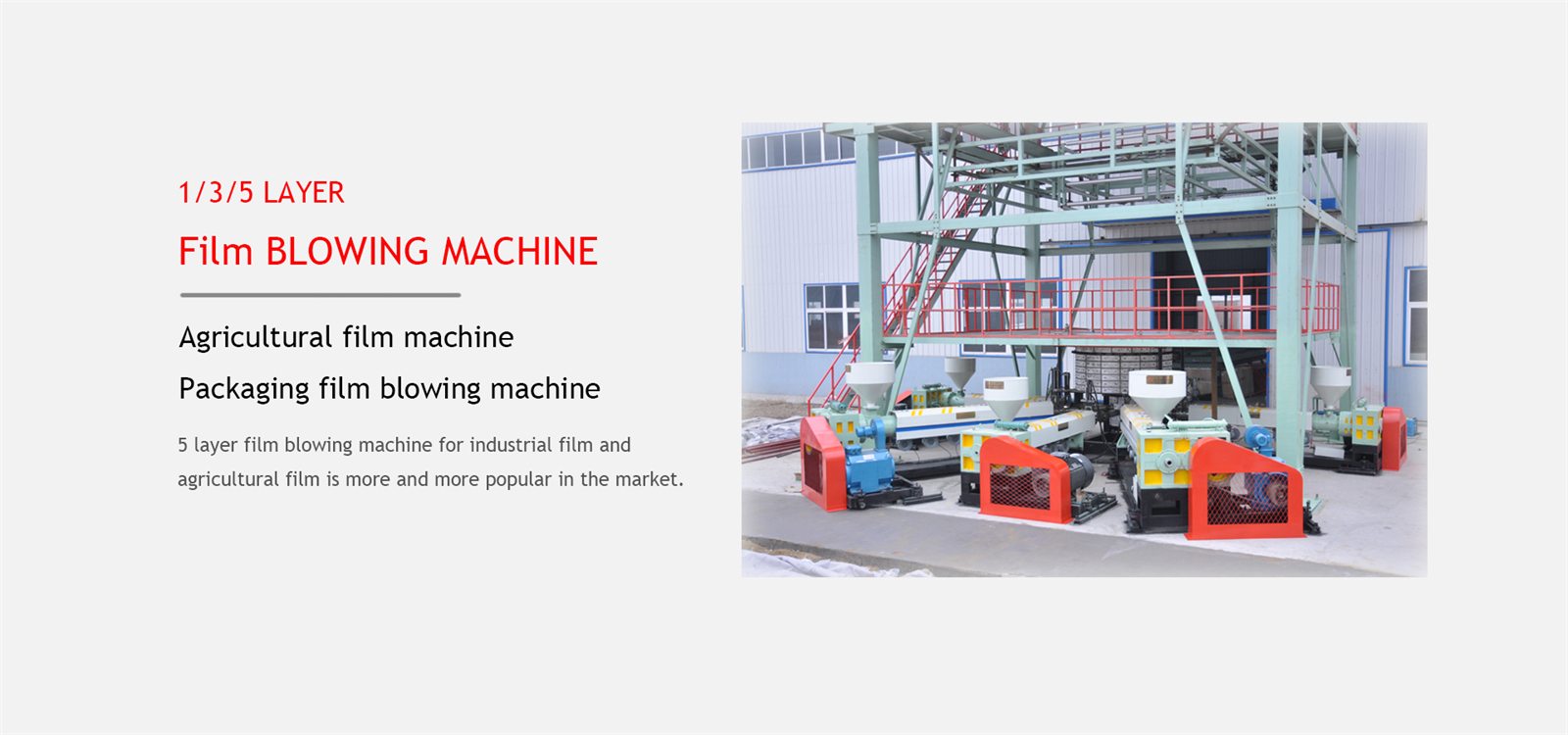
A [5-layer greenhouse film blowing machine](https://xinfumachine.com/products/greenhouse-film-machine/5-layer-greenhouse-film-blowing-machine) separates functional requirements across five discrete micro-channels:
- **Layer 1 (Outer Weather Skin):** High-density UV absorption (HALS) and anti-dust additives. - **Layer 2 & 4 (Sub-Skins / Tie Layers):** Concentrated ethylene-vinyl acetate (EVA) or high-clarity mLLDPE for thermal heat retention. - **Layer 3 (Structural Core):** Linear low-density polyethylene for high tear and wind-load resistance. - **Layer 5 (Inner Greenhouse Skin):** Smooth anti-fog/anti-drip active layer with dedicated migration control.
<h2>5. Equipment Sizing: Die Heads and Co-Extrusion Feeding Blocks</h2> Sizing multi-layer extrusion requires tight engineering integration between extruder outputs and spiral die channel geometry:
- **Spiral Mandrel Dies vs Stacked Pancake Dies:** Precision spiral mandrel distribution prevents weld lines and provides uniform circumference melt flow across widths up to 24 meters. - **Extruder L/D Sizing:** High-performance single-screw [film extruders](https://xinfumachine.com/products/pipe-extrusion-line) with 30:1 to 33:1 L/D ratios and grooved feed barrels ensure linear melt pumping against backpressures exceeding 250 bar.
<h2>Summary Selection Matrix for Machinery Buyers</h2>
- **Choose 3-Layer Lines:** For standard smooth geomembrane, agricultural mulch film, and general heavy-duty packaging where recycled core utilization drives immediate profitability. - **Choose 4-Layer Lines:** For textured civil geomembrane and specialized rough containment sheets. - **Choose 5-Layer Lines:** For high-margin PO multi-season greenhouse covers, barrier films, and demanding export-grade films.
Xinfu manufactures complete co-extrusion platforms from 3-layer to 5-layer systems, complete with in-house CNC-machined die heads and synchronized automation. Connect with our engineering specialists on our [contact page](https://xinfumachine.com/contact) or via WhatsApp at +86 150 0683 0110 to discuss layer configuration and project pricing.
Recommended Production Lines
More Technical Articles
- See You at Chinaplas 2025 — Xinfu Booth 3-Y09 (2025-03-06)
- 4 Sets of 5-Layer Greenhouse Film Blowing Machine Succeed for Initial Running (2018-09-29)
- Advantages of Punched Mulch Film (2020-12-09)