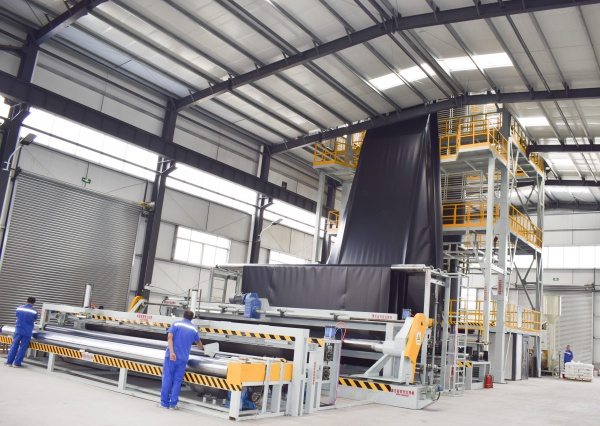
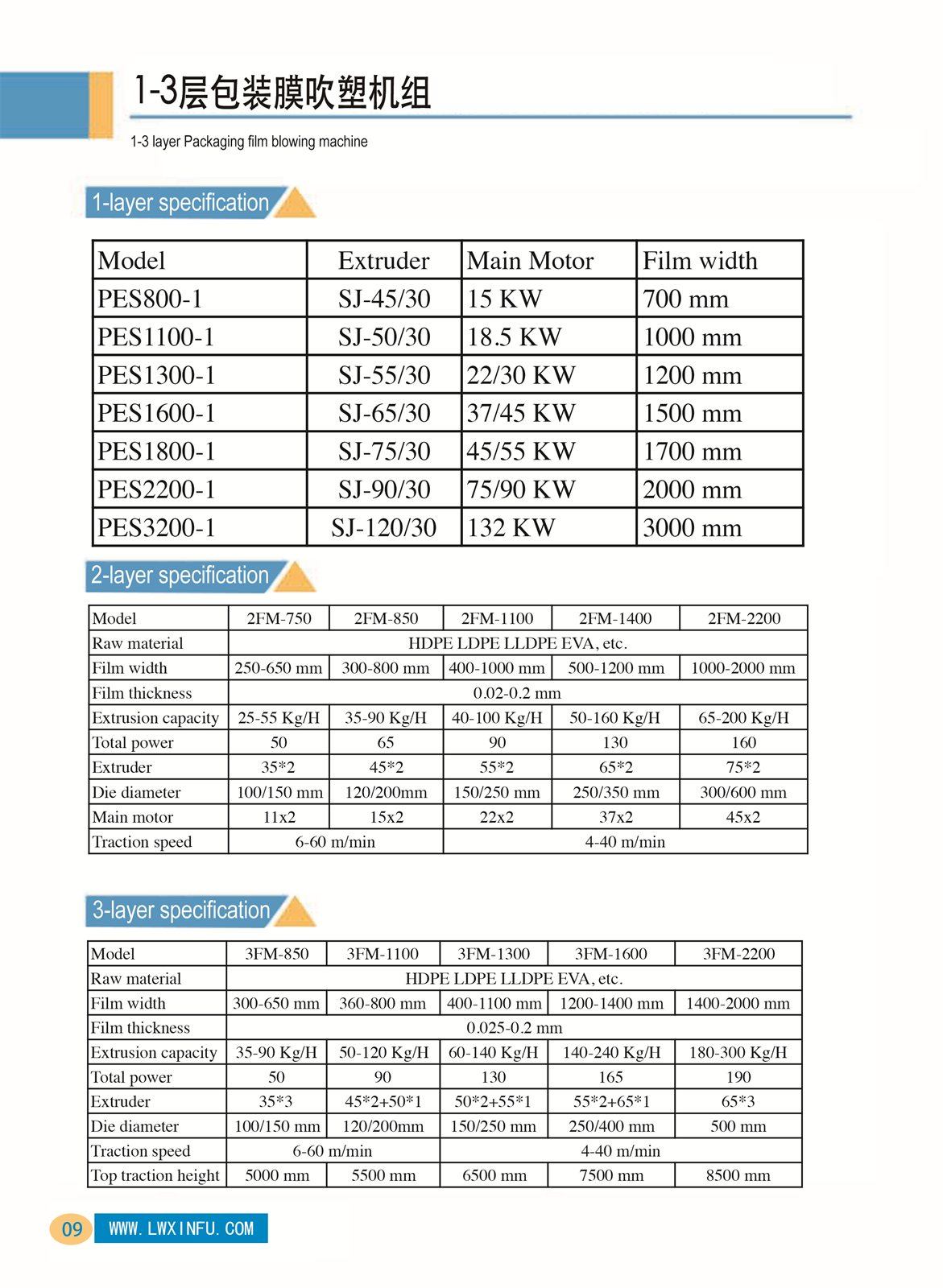
1/2/3-Layer Packaging Film Blowing Machine
- 1 / 2 / 3 selectable
- 250–3000 mm
- LDPE / LLDPE / mPE blends
Biaxial orientation vs optical clarity, vertical towers vs chill-roll chillers: a complete technical and commercial comparison between blown and cast film extrusion.
For plastic film converters and packaging manufacturers evaluating capital equipment investments, choosing between a [blown film machine](https://xinfumachine.com/products) and a cast film extrusion line is a primary strategic decision. While both processes convert thermoplastic polymers into continuous flexible webs, their mechanical orientation, thickness capabilities, optical properties, and equipment economics differ fundamentally.
Here is an engineering and commercial comparison to help manufacturing executives determine whether a blown film line or a cast film calendar best matches their target product portfolio.
<h2>1. Mechanical Orientation: Biaxial Balancing vs Uniaxial Speed</h2> The core physical distinction lies in how the molten polymer cools and stretches:
- **Blown Film (Biaxial Molecular Orientation):** Molten polymer emerges from a circular annular die and expands radially under internal bubble air pressure while being simultaneously pulled upward by top nip rollers. This dual-axis expansion aligns polymer chains in both the machine direction (MD) and transverse direction (TD), delivering **superior tensile strength, puncture resistance, and balanced tear properties**. - **Cast Film (Predominantly Uniaxial Orientation):** Molten resin extrudes through a flat T-slot coat-hanger die and drops directly onto an internal water-cooled chill roll. Because stretching occurs almost exclusively in the machine direction (MD), cast film exhibits lower transverse tear resistance and dart impact strength.
For heavy-duty applications — such as [geomembrane machines](https://xinfumachine.com/products/geomembrane-machine) liners, agricultural mulch film, and industrial shipping sacks — blown film's balanced biaxial strength is functionally indispensable.
<h2>2. Thickness Envelopes & Width Flexibility</h2>
- **Blown Film Thickness Span:** Highly versatile, producing ultra-thin agricultural film (down to 8–10 microns on [mulching film machines](https://xinfumachine.com/products/mulching-packaging-film-machine/agricultural-mulch-film-making-machine)) up to heavy-duty civil liners (2.5 mm on [4-layer geomembrane machines](https://xinfumachine.com/products/geomembrane-machine/4-layer-geomembrane-blowing-machine)). Width changes require adjusting the internal bubble cooling (IBC) air ratio without swapping expensive dies. - **Cast Film Thickness Span:** Primarily excels at high-speed thin-gauge barrier films (12 to 50 microns) and rigid thermoforming sheet (up to 1.5 mm). Adjusting web width requires mechanical deckling bars inside the flat die or trimming wide edges, which creates substantial edge trim recycling demand.
<h2>3. Optical Clarity vs Dart Impact Toughness</h2>
- **Cast Film Optical Dominance:** The rapid quenching of molten resin against polished mirror chill rolls suppresses polymer crystal growth, producing exceptionally high transparency, gloss, and low haze. This makes cast extrusion the preferred choice for stretch wrap, bread bags, and metallized packaging. - **Blown Film Dart Drop Superiority:** Air cooling on an extrusion tower cools the polymer more slowly, allowing partial spherulite crystallization. While standard blown PE exhibits slight optical haze, its high dart-drop impact strength and puncture toughness make it the standard for agricultural covers and heavy-duty bundling.
<h2>4. Capital Expenditure (CapEx) & Workshop Footprint</h2>
- **Vertical Height vs Horizontal Floor Span:** A high-capacity [greenhouse film blowing machine](https://xinfumachine.com/products/greenhouse-film-machine) requires a dedicated vertical tower (12 to 28 meters high) but occupies a relatively compact floor footprint. In contrast, cast film lines require wide horizontal factory bays (30 to 60 meters long) to accommodate chill rolls, gauge scanners, oscillating haul-offs, and turret winders. - **Tooling Costs:** Annular blown film [die heads and molds](https://xinfumachine.com/products/die-head-mold/die-head-mold-for-blowing-machines) machined in-house offer flexible co-extrusion scaling (3, 4, or 5 layers) at significantly lower maintenance and replacement costs than wide micro-adjustable flat coat-hanger cast dies.
<h2>5. Decision Framework: When to Choose Blown Film</h2>
- **Choose Blown Film If:** Your product mix includes agricultural covers (6–24 m wide), civil geomembrane liners, heavy packaging shrink film, bio-degradable shopping bags, or multi-layer barrier bags where puncture resistance and tensile balance dictate product quality. - **Choose Cast Film If:** Your core business is high-volume pallet stretch wrap, high-clarity CPP food packaging, or precision thermoforming sheets where optical clarity and line linear speed (300–600 m/min) dominate.
Xinfu Machinery specializes in heavy-duty and wide-width blown film extrusion platforms from 1 to 24 meters wide. Consult with our technical team on our [contact page](https://xinfumachine.com/contact) or via WhatsApp at +86 150 0683 0110 to discuss which line configuration suits your investment model.