Die Head & Mold for Blown Film Machines
- Spiral die · 3-layer stack · 5-layer stack · geomembrane die
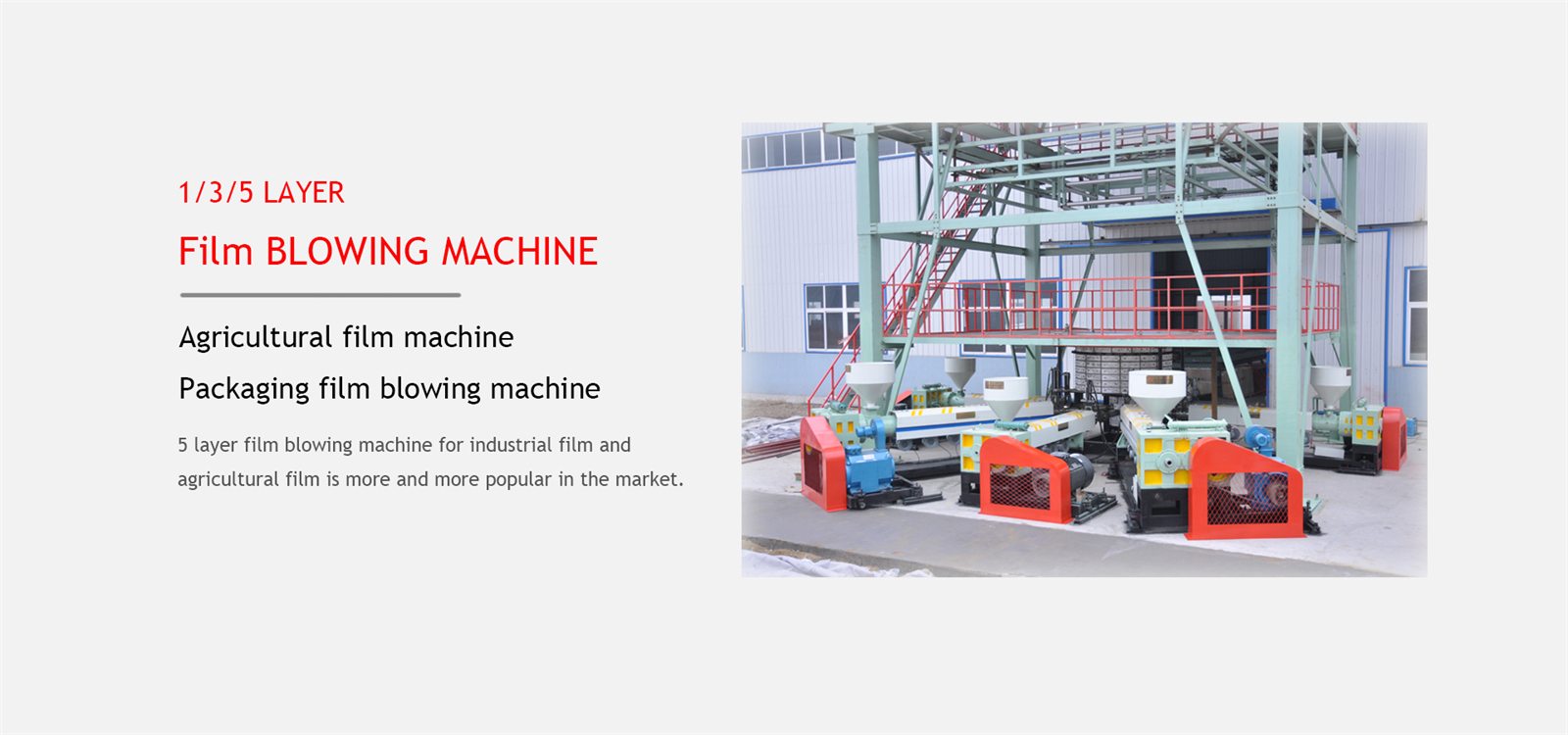
- Agricultural, mulch, packaging, greenhouse & geomembrane blowing machines
- New dies, refurbishment, upgrading layer count
Die head selection sets the layer count, material structure and upgrade path of a blown film machine.
Ask a line supplier what a blowing machine can make and the answer always comes back to the extruders. That is the wrong end of the machine to start from. Extruders deliver melt; the **die head decides what that melt becomes**. A line's layer count, its width window, its tolerance for dissimilar materials and even whether it can blow a textured structure are all fixed at the die long before the tower enters the picture.
That is why die head selection is the decision that ages best — and why a die that was the right choice three years ago can quietly become the ceiling on your product range.
<h2>The four die types, and what each one locks in</h2> Our [die head and mould range](https://xinfumachine.com/products/die-head-mold/die-head-mold-for-blowing-machines) covers four working cases:
- **Spiral die** — the single-layer workhorse. One melt stream, distributed around the annulus by spiral flow channels. Simple, robust, and the right choice when the product genuinely is a single resin. - **3-layer co-extrusion stack** — three melt streams combined into one annulus. This is what makes recipes like virgin skins with a functional or recycled core possible on [agricultural and geomembrane lines](https://xinfumachine.com/products/geomembrane-machine/3-layer-geomembrane-blowing-machine). - **5-layer co-extrusion stack** — five independent channels. Where optical layers, tie layers, additive skins and a low-cost core all have to exist in the same film at the same time. - **Geomembrane die** — built for thick, wide liner structures, including dies that carry **textured geomembrane** where a separate texture channel is required.
One die family fits across the whole platform — [greenhouse film](https://xinfumachine.com/products/greenhouse-film-machine/3-layer-greenhouse-film-blowing-machine), mulch, packaging and geomembrane machines — which is what makes a later layer-count change a die and extruder question rather than a whole new line.
<h2>What actually changes when you go from 3 layers to 5</h2> The most common question we get is whether an existing three-layer line can be raised to five. In most cases, yes, and the work is specific:
1. **Additional extruders** with the drive, controls and feed plumbing to run them as a matched set. 2. **Exchange to a 5-layer stack die** — the stack is not a 3-layer body with two more inlets; the melt distribution and layer interfaces are designed as five. 3. **Downstream re-check** — cooling and take-up have to suit the new structure, not just the old one.
To scope it properly we need two things from you: **your existing die plate and the product you want to be making**. From those two, an upgrade plan is straightforward; without them, any quotation is a guess.
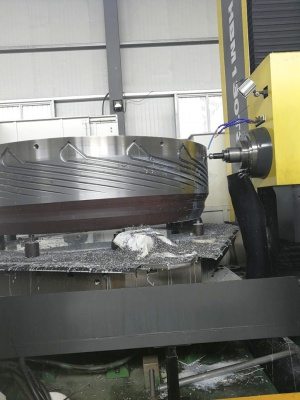
<h2>Why we machine the dies ourselves</h2> Every [die head](https://xinfumachine.com/products/die-head-mold) is manufactured and finished on the company's own CNC and vertical-lathe capacity. The practical benefit is not pricing — it is revision speed. When a customer changes resin, target width, or layer recipe, the change is an internal engineering revision on a machine we control. Outsourced dies turn the same change into a procurement cycle.
The same capability supports **refurbishment and re-machining** of worn dies, and **layer-count upgrades** on lines that were bought for a market that has since moved on.
<h2>Choosing honestly</h2> If your product range is genuinely single-resin, a spiral die is cheaper, simpler and the correct answer — there is no reason to pay for co-extrusion you will never use. The case for a stack die appears the moment you need two materially different functions in one web: an anti-drip skin and a strength core, or a virgin surface over a recovered centre.
If you are weighing an upgrade against a new line, send us the die plate photo, your current layer structure and the film you want to run — [contact page here](https://xinfumachine.com/contact), or WhatsApp +86 150 0683 0110. We will tell you which one you actually need.